From 1300-2000, the world had seen many events unfold. Wars that destroyed cultures and new nations being formed. However, one thing people never consider was the weather in this time. Many people don’t see the weather as important, but in fact it was a major contributor to this time period and is best described by Brian Fagan.
Brian Fagan is the author of the book The Little Ice Age, a non fiction book that tells the story of the Little Ice Age; a period in the world where the weather was extremely cold and how it was able to impact society. While the story does show how the weather was a key factor in many historical events, overall it was an average read at best.
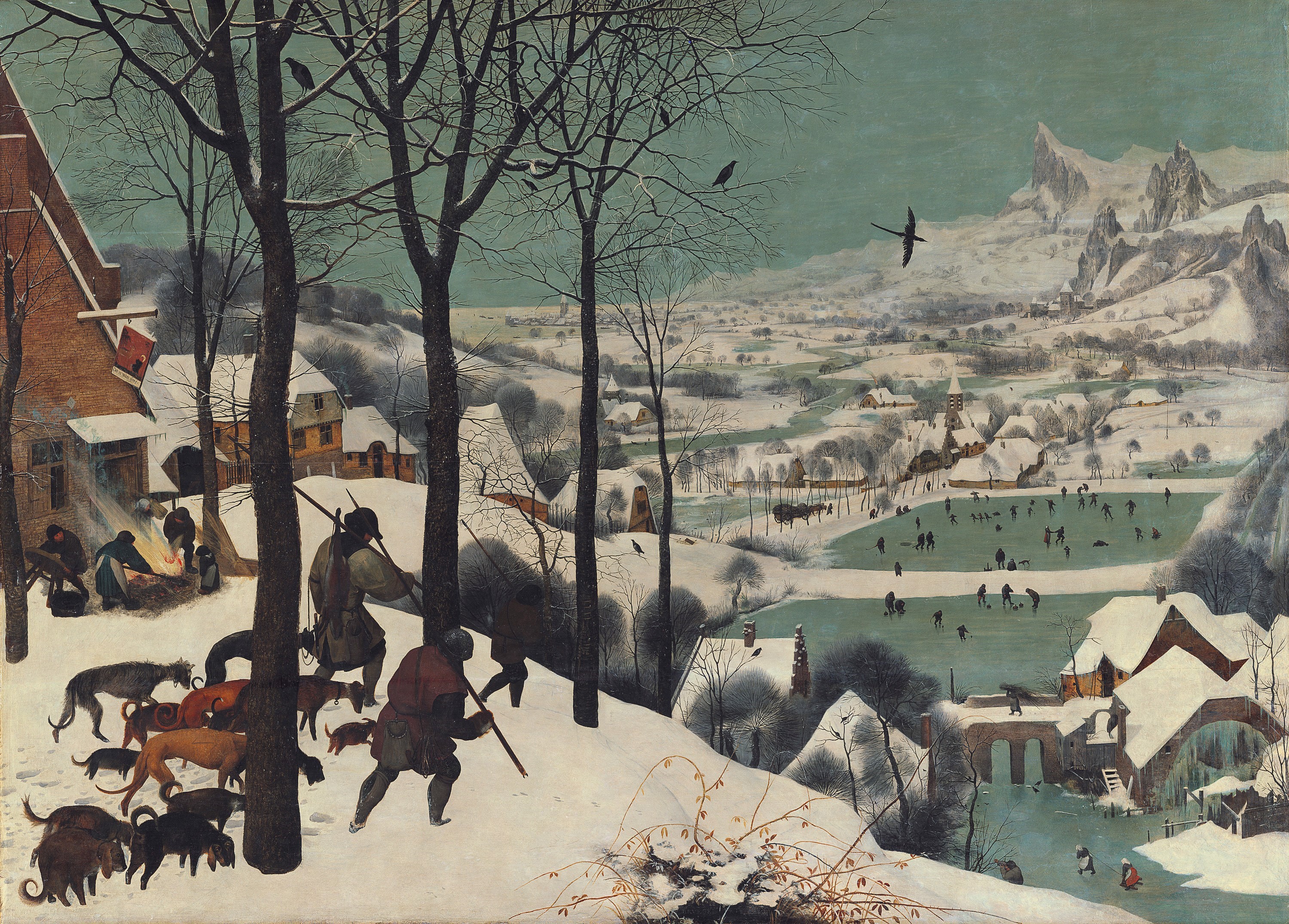
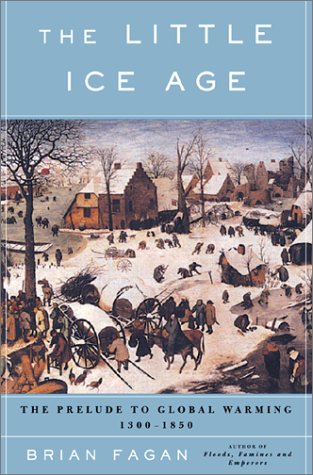
The story itself is interesting when you look at it from a historical perspective, but the story just wasn’t able to get my attention. It basically droned on about how the weather was cold and there was starvation and death. Now, not everything in this book was uneventful. The sections on how Vikings settled in Greenland and how new innovations in food came, like the introduction of the potato and putting salt on cod to keep it fresh in the pre “refrigerator” era, were interesting and informative The pictures showing the world and the effect of sea currents also were interesting as it allowed the audience to see how ocean currents impacted the world.
The problem with the book was that it just seemed to drone on about different statistics and events in history. It kept relating back to important weather patterns and it also talked about the North Atlantic Oscillation, which itself is interesting, but the way it was presented just made itself boring. Now, this is not an attack against nonfiction altogether. Nonfiction is an interesting genre because it allows readers to experience events that actually happened. However, this book just droned on about different events that happened in history with nothing to grab the readers attention.
This is an interesting concept and it could have been an interesting story had it been told in a more interesting way. While the story altogether bores the reader, Brian is able to make great use of the rhetorical triangle. The reader is initially drawn into the story from the summary, which allows Fagan to establish his ethos, or character. The audience learns that he is a historian with a great knowledge on this topic. Fagan is also able to establish logos, or logic, almost every chapter, backing up all of the claims he made with hard proof. The only area where he would have to struggle is in pathos, or emotion. He draws on little sympathy from the reader when depicting the amount of death during the Black Plague, but as this is just a recap of 700 years, he is unable to fully develop pathos from the reader, effectively losing the reader's attention.
Overall, the book rates out to be average at best. The information presented in here is credible and it doesn’t seem to contain any fallacies. However, the way its presented causes the reader to wonder if they’re just reading the same concept over and over again. He could have tried and described the citizens freezing from the cold or go more in depth on the volcano that erupted and how its ash affected the ozone. The attention span of a reader is generally weak. In order to fully grab someone’s attention, a writer needs to not only create a good hook, but also to entertain the reader so that they won’t get bored halfway through the book and give up on it completely.
While Fagan’s book isn’t the most eventful read, the way he presented his information was incredible and it allows the audience to view an unknown phenomenon caused the world’s society to shape into what it is today. This topic may interest some readers who have an interest in history or science. However, the endless drone about death and starvation causes this book to be an unpopular read.

No comments:
Post a Comment